
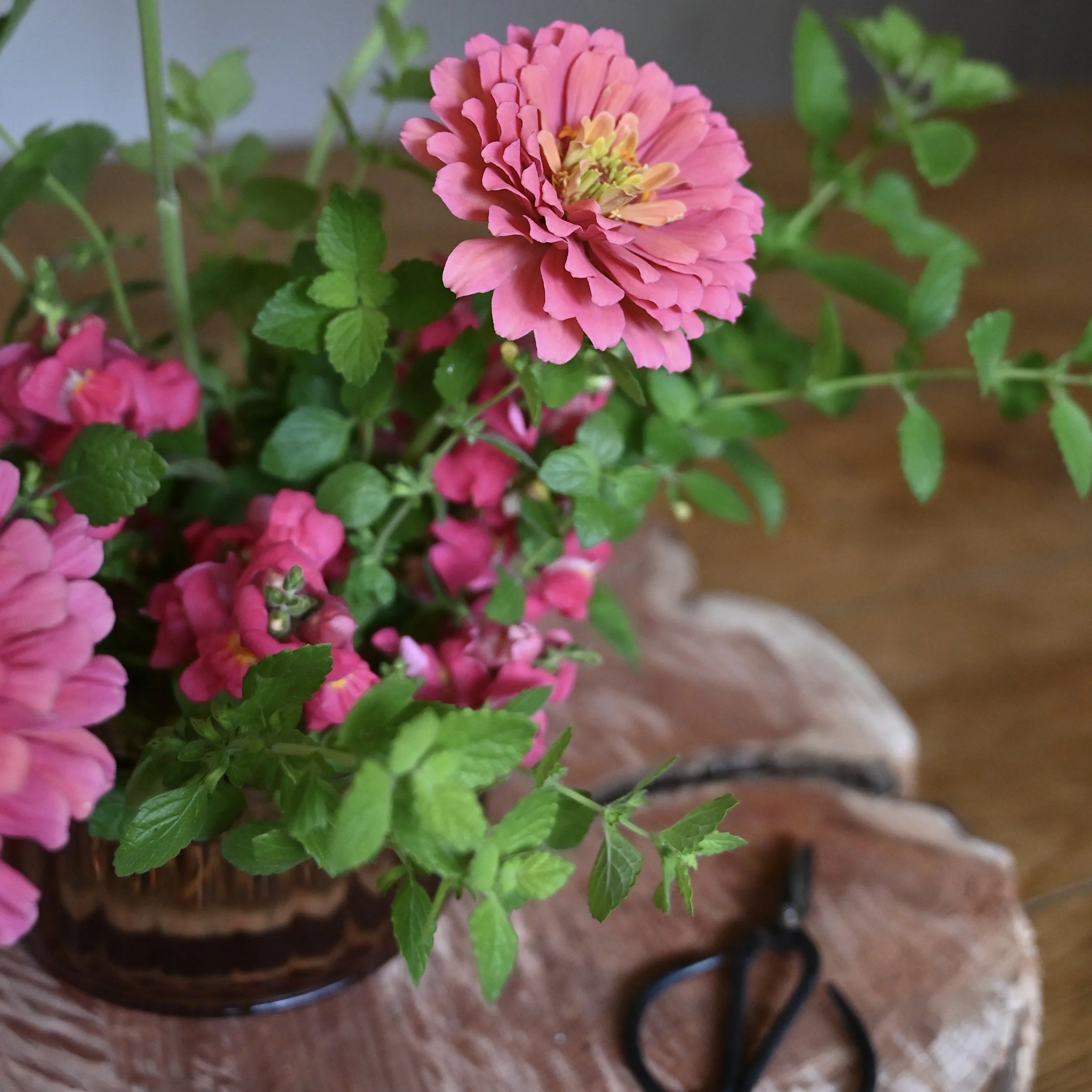
Why the Vessel Matters
When we think about sustainability in floristry, we often focus on the blooms. But the container plays a crucial role in both design and environmental impact. Traditional floral vases are frequently mass-produced, plastic-based, or designed for single use. Choosing reusable, recycled, or sustainably made vessels helps minimize waste and extends the life of materials already in circulation.
An upcycled container can transform an arrangement from ordinary to meaningful—adding texture, history, and soul that a standard vase simply can’t replicate.
What Are Eco-Friendly Vases?
Eco-friendly vases fall into two main categories: recycled materials and sustainable materials.
Recycled materials include glass vases or upcycled containers that might otherwise be discarded. Think vintage jars, bottles, tins, candle vessels, or even reclaimed household items. By giving these materials a second life, you reduce the demand for new production while creating one-of-a-kind designs.
Sustainable materials include ceramic, stone, clay, bamboo, and wood. These materials are non-toxic, naturally occurring, and often renewable. They’re durable, timeless, and can be reused for years—making them a beautiful and responsible investment for florists.
The Beauty of Upcycling
Upcycled containers bring a unique charm to floral design. No two pieces are exactly alike, which encourages creativity and intentional styling. They pair especially well with garden-style arrangements, seasonal blooms, and locally sourced flowers—creating a cohesive, earth-friendly aesthetic.
Clients are often drawn to the story behind an upcycled piece. Knowing that a vessel was rescued, repurposed, or thoughtfully chosen adds emotional value and aligns with a growing desire for conscious consumption.
A Simple Step Toward Sustainability
Choosing eco-friendly and upcycled containers is one of the easiest ways to make your floral practice more sustainable. It reduces waste, lowers your carbon footprint, and supports a slower, more mindful approach to design—without sacrificing beauty.
Sustainable floristry isn’t about perfection. It’s about progress, intention, and making thoughtful choices wherever possible. And sometimes, those choices start with the vessel in your hands.
Using vases made from eco-friendly materials not only adds beauty and character to your floral arrangements—it also helps reduce your environmental impact as a florist. In sustainable floristry, every choice matters, and the vessel you choose to hold a centerpiece or bouquet is just as important as the flowers themselves.
Upcycled and eco-friendly containers tell a story. They invite creativity, encourage intentional design, and offer an opportunity to reduce waste while elevating your work.
Upcycled Containers
-Thoughtful Vessels for Sustainable Floristry
Sustainable floristry isn’t about perfection
✳︎
Sustainable floristry isn’t about perfection ✳︎
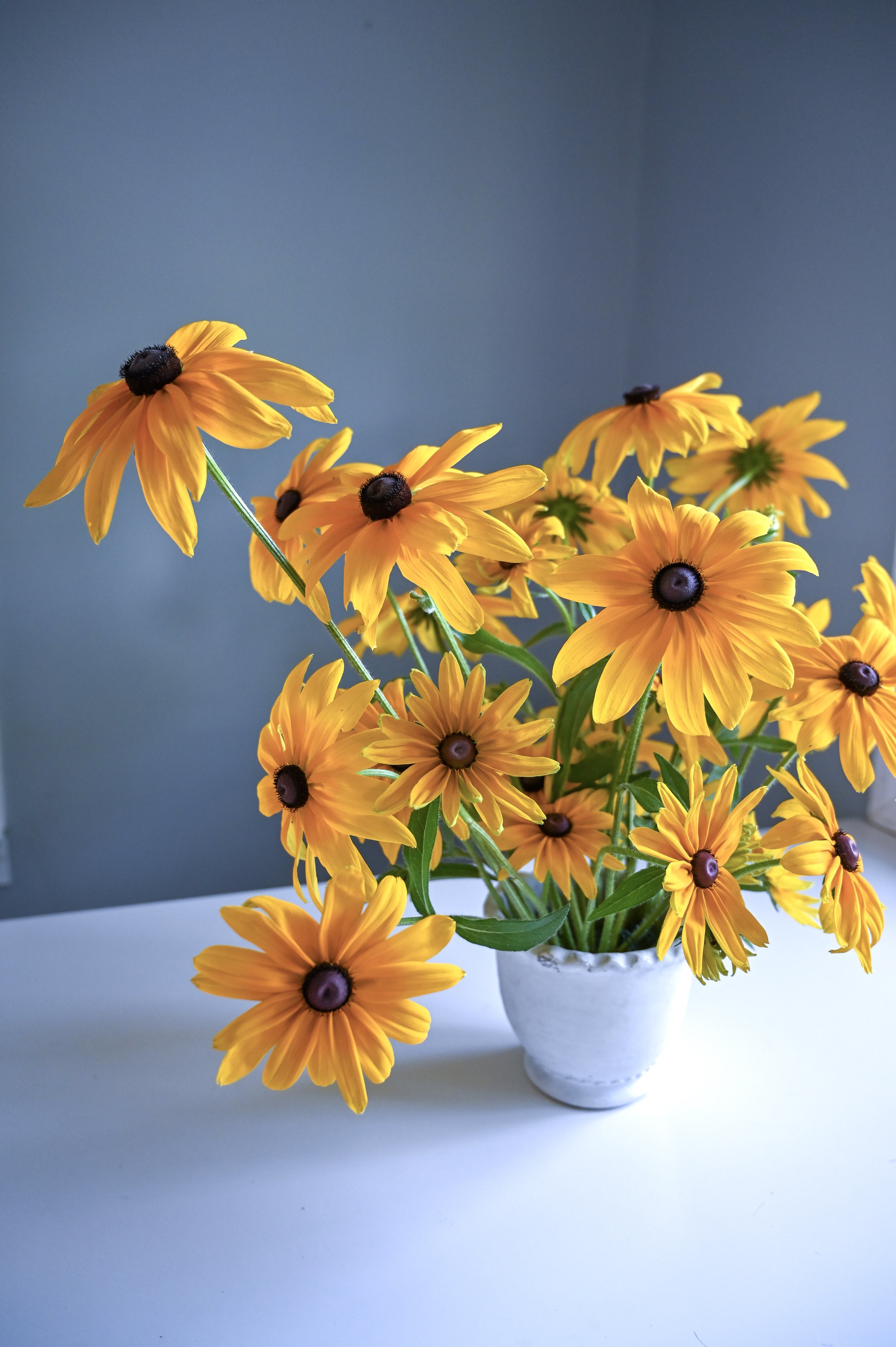
Next:
Sustainable floristry starts with small, intentional changes—and these mechanics prove that eco-friendly choices can also be the most practical ones.
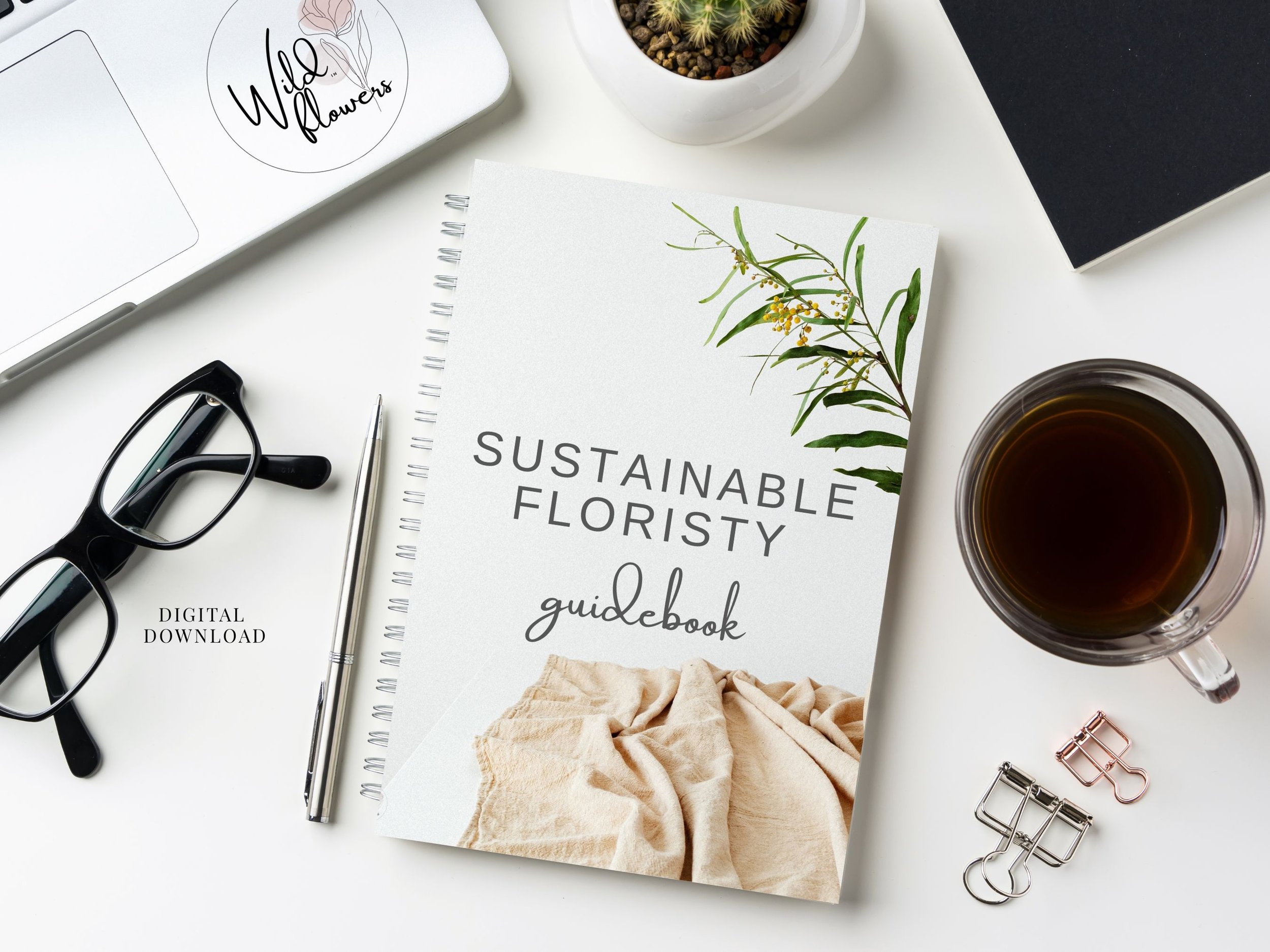
Create Beautiful Arrangements—Without Harming the Planet.
This Sustainable Floristry Guide is a practical, inspiring resource for florists, floral designers, and flower lovers who want to reduce their environmental impact while still creating stunning, intentional designs.
Inside this guide, you’ll learn what sustainable floristry truly means, why foam-free mechanics matter, and how small shifts in your everyday practices can make a big difference. From alternative design mechanics and eco-friendly materials to waste reduction and mindful sourcing, this guide offers approachable strategies you can start using right away—no perfection required.
Whether you’re a professional florist, a student, or a hobbyist, this guide will help you align your floral practice with your values while maintaining creativity, quality, and beauty.
***Proceeds directly fund the growth and distribution of sustainably grown flowers in New Jersey.***
What You’ll Find Inside:
A clear explanation of sustainable floristry
Why floral foam is harmful (and what to use instead)
Foam-free mechanics and design alternatives
Waste-reduction strategies for your studio or shop
Eco-friendly packaging and supply tips
Simple ways to source more responsibly
Perfect For:
Florists & floral designers
Flower farmers
Students & educators
Eco-conscious creatives
Format: Digital Download (PDF)
Use: Personal & educational use
Start building a floral practice that honors the earth, your health, and your creativity.
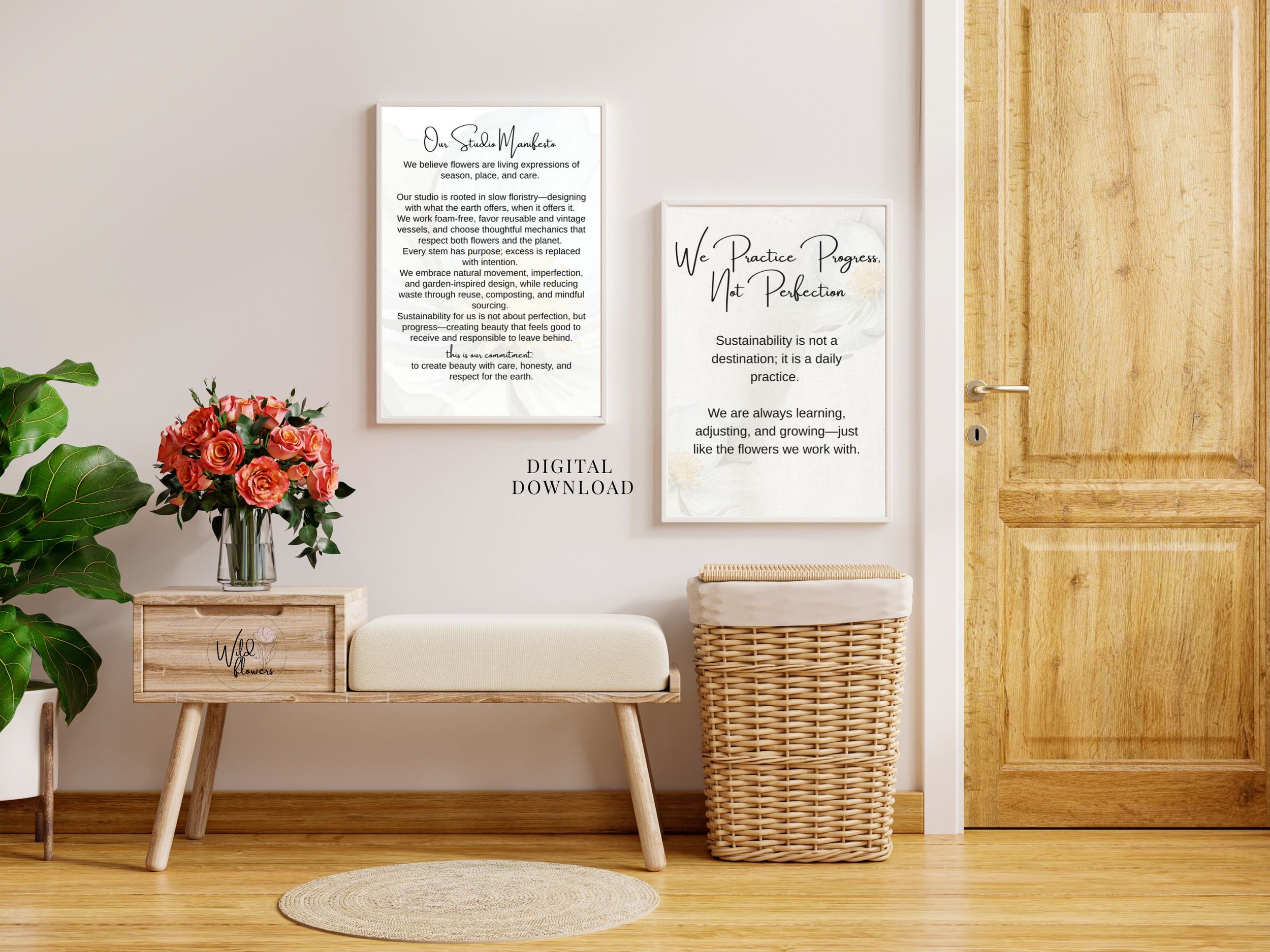
A Declaration for Earth-Honoring Floral Design.
The Sustainable Floristry Manifesto is an inspiring, values-led guide for florists, floral designers, and flower lovers who believe beauty should never come at the expense of the planet.
This manifesto is not about perfection—it’s about intention. It offers a clear set of guiding principles to help you align your floral practice with sustainability, mindfulness, and respect for natural resources. Use it as a daily reminder, a studio touchstone, or a personal commitment to creating with care.
Whether you are just beginning your sustainability journey or deepening an existing practice, this manifesto invites you to slow down, think critically, and choose better—one stem at a time.
***Proceeds directly fund the growth and distribution of sustainably grown flowers in New Jersey.***
Inside You’ll Find:
Core principles of sustainable floristry
A values-based approach to foam-free design
Commitments to waste reduction and reuse
Mindful sourcing and material choices
Honoring seasonality and local ecosystems
Creating beauty with purpose and responsibility
Perfect For:
Florists & floral designers
Flower farmers
Students & educators
Eco-conscious creatives
Format: Multiple Sized JPEG
Use: Personal & educational use
Create flowers with intention.
Design with respect.
Lead with sustainability.
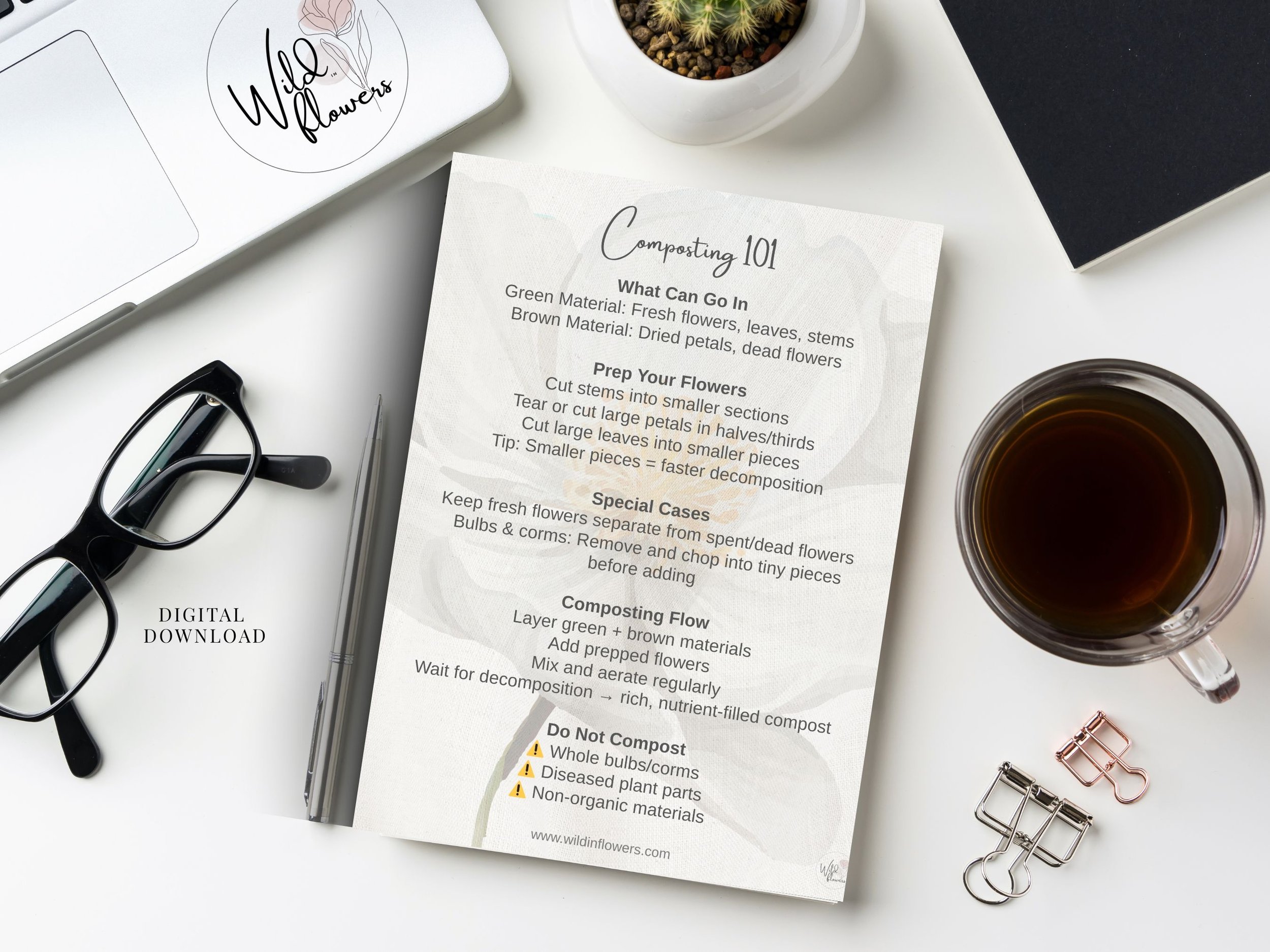
Turn Floral Waste Into Something Meaningful.
This Composting 101 Checklist is a simple, beginner-friendly guide for florists, floral designers, and creative business owners who want to start composting with confidence and reduce waste in their studios or shops.
Designed in an easy-to-follow checklist format, this guide breaks composting down into clear, manageable steps—so you can build a composting habit without feeling overwhelmed. You’ll learn what materials can be composted, what to avoid, how to set up a basic system, and how to maintain it successfully.
Whether you’re brand new to composting or looking to improve your current process, this checklist helps you take practical, planet-friendly action—one small step at a time.
***Proceeds directly fund the growth and distribution of sustainably grown flowers in New Jersey.***
What’s Included:
✔️ Composting basics checklist
✔️ What florists can compost checklist
✔️ What not to compost checklist
✔️ Setting up a compost system checklist
✔️ Maintenance & best practices checklist
✔️ Troubleshooting common composting issues checklist
Perfect For:
Florists & floral designers
Creative studios & small businesses
Flower farmers
Students & educators
Eco-conscious creatives
Format: Digital Download (PDF)
Use: Personal & educational use
Start transforming your floral waste into a resource—naturally.
If you're interested in working with us, complete the form with a few details. We'll review your message and get back to you within 48 hours.