
What is Sustainable floristry
Sustainable floristry is the practice of creating floral arrangements without the use of harmful chemicals while leaving the smallest carbon footprint possible. At its heart, it’s about honoring nature—working with the environment instead of against it—and making mindful choices at every step of the design process.
Flowers already represent beauty, care, and connection. Sustainable floristry simply asks us to extend those values beyond the arrangement itself and consider how our methods impact people, ecosystems, and the future.
What Sustainable Floristry Really Means
Sustainable floristry goes beyond the flowers you choose. It includes:
Designing intentionally, so every stem has a purpose
Using seasonal, locally grown blooms when possible
Avoiding toxic products and single-use plastics
Choosing reusable, compostable, or biodegradable materials
Reducing waste and lowering overall environmental impact
One of the most impactful choices a florist can make is moving away from floral foam.
Why Foam-Free Mechanics Matter
Floral foam has long been a standard tool in the floral industry, but its convenience comes at a serious cost to both human health and the environment.
Floral foam is made from synthetic chemicals that can be toxic. It contains low concentrations of substances such as formaldehyde, phenol, barium sulfates, and carbon black. Exposure to these chemicals—especially through inhaling foam dust or fumes—can irritate the eyes, skin, and respiratory system.
Formaldehyde, in particular, is classified as a probable human carcinogen. It can cause skin hypersensitivity and contact dermatitis, and ingesting as little as one ounce of a 37% formaldehyde solution can be fatal to an adult. Phenol is also highly dangerous, capable of causing chemical burns, lung edema, and damage to the central nervous system and heart.
Beyond personal health concerns, floral foam poses significant environmental risks. As it breaks down, it releases microplastics that can enter waterways and harm marine life. These particles do not biodegrade and can persist in ecosystems for decades. Flushing floral foam down the sink only worsens the problem by adding inert, harmful materials to water systems that living organisms depend on.
Choosing a Better Way
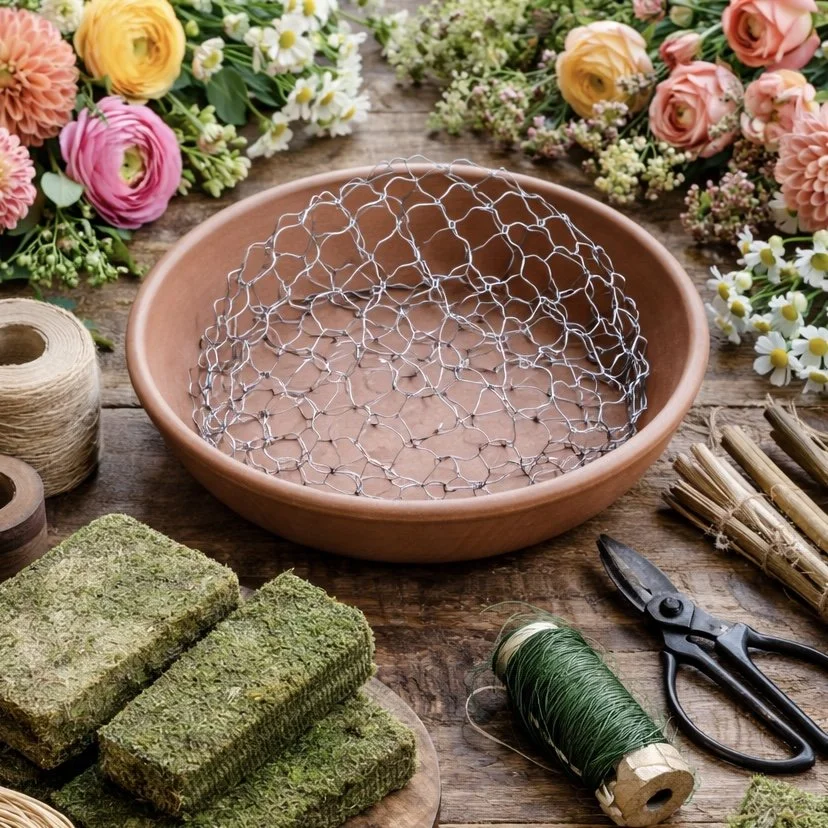
Foam-free mechanics—such as chicken wire, flower frogs, pin holders, moss, or thoughtfully structured stems—offer beautiful, functional alternatives without the toxic side effects. These methods may take a bit more skill and creativity, but they result in arrangements that are healthier for florists, safer for clients, and far gentler on the planet.
Sustainable floristry isn’t about perfection. It’s about progress, intention, and care. By choosing foam-free designs and reducing our reliance on harmful materials, we allow flowers to tell a more honest story—one rooted in respect for nature, not compromise.
Every arrangement is an opportunity to make a difference.
Why Local Flowers Matter More Than Ever
As florists and flower lovers, we don’t always get to see what happens before blooms arrive at our workspace. Most flowers from large wholesalers carry a significant carbon footprint—they’re often flown thousands of miles, wrapped in layers of plastic, and treated with pesticides we end up handling with our bare hands.
And then there are the flight delays. Sometimes those long-anticipated boxes arrive late, moldy, or already past their prime—leaving us scrambling to find a backup for a wedding we’ve been dreaming about designing for an entire year. Ugh. It’s stressful, wasteful, and discouraging.
This is where locally sourced flowers can change everything.
The Beauty of Growing Your Own
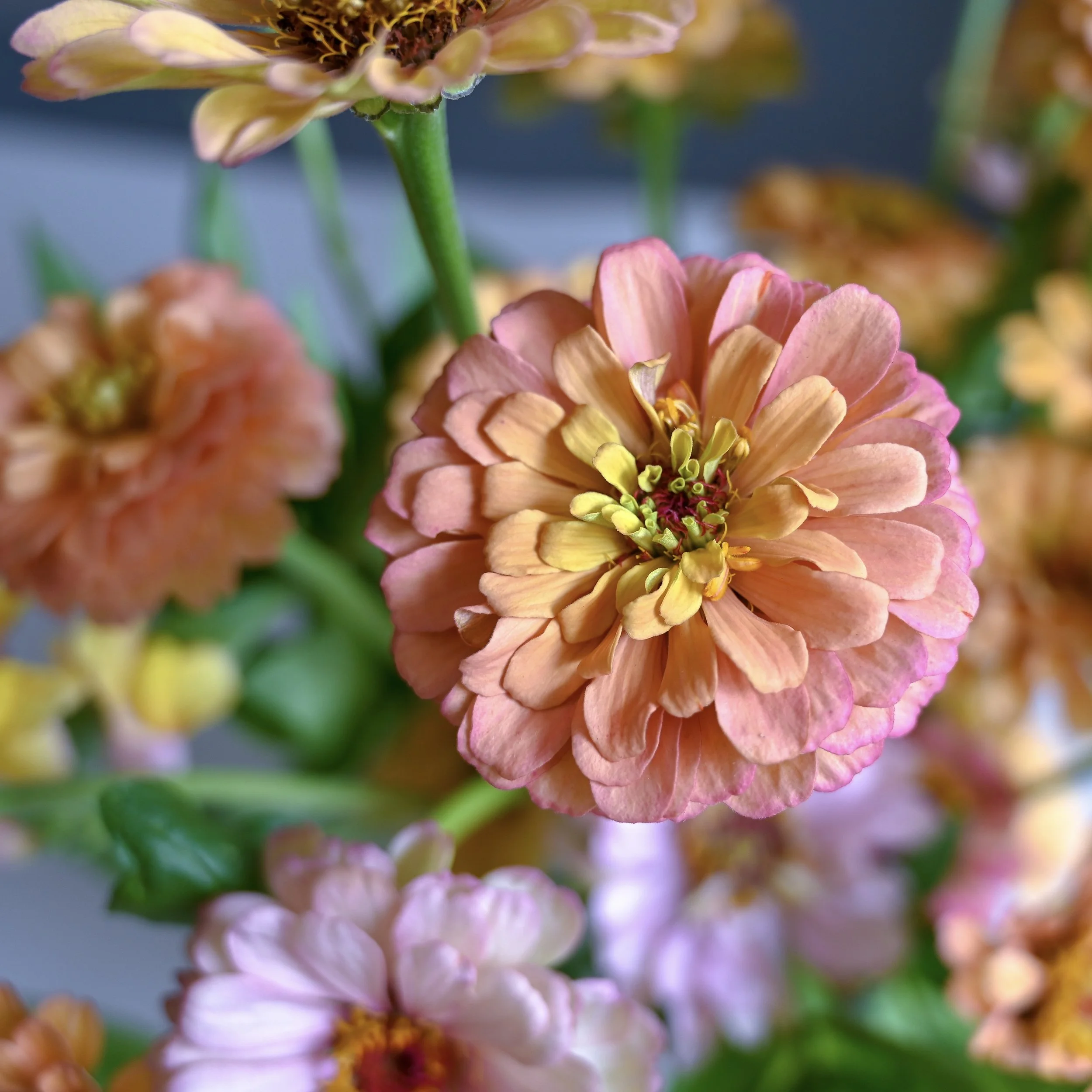
Growing your own flowers is one of the most meaningful ways to bring sustainable blooms into your community. While flower farming definitely comes with its own learning curve, I’ve found it to be incredibly rewarding—both creatively and ethically.
If you’re curious about growing or farming flowers, I can’t recommend Floret enough. Their resources are exceptional, and I personally took their flower farming course. It taught me so much—not just about growing flowers, but about seasonality, sustainability, and building a deeper connection to the work we do.
Supporting Local Flower Growers
If you love arranging flowers more than growing them, chances are there are incredible local growers right in your area. Farmers’ markets are a wonderful place to start building those connections and discovering what’s grown nearby.
For florists who need larger quantities, platforms like Rooted Farmers make it possible to purchase locally grown flowers at wholesale prices. Many regions also have flower co-ops that allow designers to shop seasonally and sustainably. Here in New Jersey, for example, there’s a local flower co-op where florists can wholesale-shop for fresh, local blooms grown by nearby farmers.
A More Sustainable Way Forward
Sourcing locally means fresher flowers, fewer chemicals, less packaging, and a smaller carbon footprint. It also means supporting farmers in your own community and designing with the seasons instead of against them.
Local flowers aren’t just better for the planet—they tell a story of place, care, and intention. And that story is one worth sharing, one bouquet at a time.
Upcycled Containers
Using vases made from eco-friendly materials not only adds beauty and character to your floral arrangements—it also helps reduce your environmental impact as a florist. In sustainable floristry, every choice matters, and the vessel you choose to hold a centerpiece or bouquet is just as important as the flowers themselves.
Upcycled and eco-friendly containers tell a story. They invite creativity, encourage intentional design, and offer an opportunity to reduce waste while elevating your work.
Why the Vessel Matters
When we think about sustainability in floristry, we often focus on the blooms. But the container plays a crucial role in both design and environmental impact. Traditional floral vases are frequently mass-produced, plastic-based, or designed for single use. Choosing reusable, recycled, or sustainably made vessels helps minimize waste and extends the life of materials already in circulation.
An upcycled container can transform an arrangement from ordinary to meaningful—adding texture, history, and soul that a standard vase simply can’t replicate.
What Are Eco-Friendly Vases?
Eco-friendly vases fall into two main categories: recycled materials and sustainable materials.
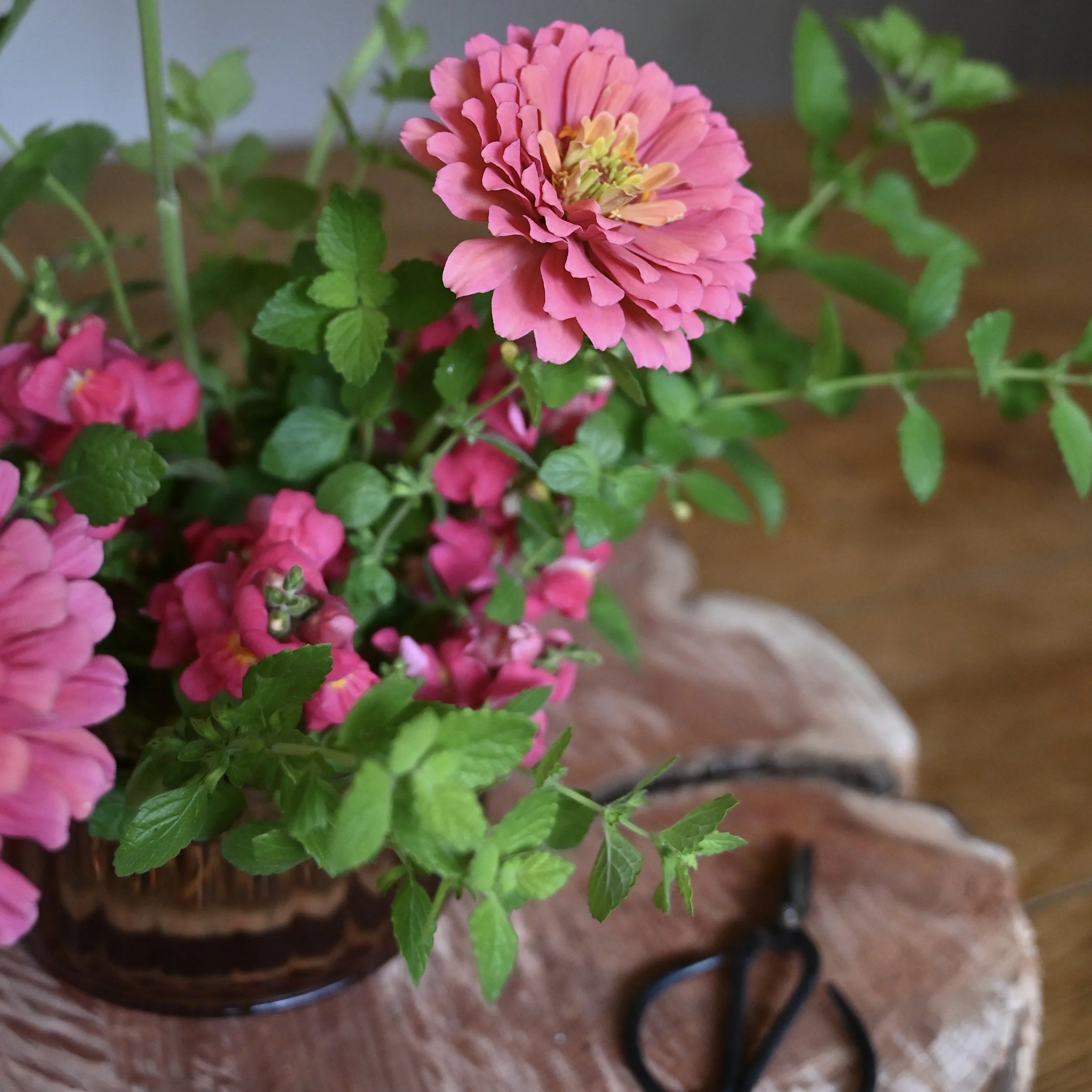
Recycled materials include glass vases or upcycled containers that might otherwise be discarded. Think vintage jars, bottles, tins, candle vessels, or even reclaimed household items. By giving these materials a second life, you reduce the demand for new production while creating one-of-a-kind designs.
Sustainable materials include ceramic, stone, clay, bamboo, and wood. These materials are non-toxic, naturally occurring, and often renewable. They’re durable, timeless, and can be reused for years—making them a beautiful and responsible investment for florists.
The Beauty of Upcycling
Upcycled containers bring a unique charm to floral design. No two pieces are exactly alike, which encourages creativity and intentional styling. They pair especially well with garden-style arrangements, seasonal blooms, and locally sourced flowers—creating a cohesive, earth-friendly aesthetic.
Clients are often drawn to the story behind an upcycled piece. Knowing that a vessel was rescued, repurposed, or thoughtfully chosen adds emotional value and aligns with a growing desire for conscious consumption.
A Simple Step Toward Sustainability
Choosing eco-friendly and upcycled containers is one of the easiest ways to make your floral practice more sustainable. It reduces waste, lowers your carbon footprint, and supports a slower, more mindful approach to design—without sacrificing beauty.
Sustainable floristry isn’t about perfection. It’s about progress, intention, and making thoughtful choices wherever possible. And sometimes, those choices start with the vessel in your hands.
5 Ways to Add Sustainability to Your Flower Shop
The Cheapest & Most Versatile Ways to Go Foam-Free
Sustainability in floristry doesn’t have to be complicated or expensive. One of the biggest impacts you can make in your flower shop is eliminating floral foam and replacing it with reusable or compostable mechanics. Foam-free design not only reduces waste—it also encourages more intentional, creative floral work.
Here are five practical, budget-friendly ways to add sustainability to your flower shop, starting with some of the most accessible foam alternatives available.
1. Chicken Wire: The Classic Foam-Free Staple
Chicken wire is one of the cheapest and most versatile mechanics you can use for foam-free floral design. It can be shaped to fit any size or structure, making it ideal for everything from compotes to large installations.
To create a sturdy base, scrunch the chicken wire into a loose ball and nest it inside your vessel. Sometimes I’ll add a pin frog at the bottom for extra stability, especially for heavier stems or more precise designs.
✨ Why it works:
Extremely affordable
Fully reusable when sanitized
Customizable for any vessel or design style
Pro tip: There are now coated chicken wire options made specifically for florals that won’t rust, extending their lifespan even further.
2. Grape Vine & Other Organic Materials
Grape vine and other natural vines can be used in place of chicken wire to achieve a similar effect. They create organic structure and movement while holding stems in place beautifully.
Unlike metal mechanics, these materials are fully compostable, making them an excellent choice for studios that prioritize closed-loop sustainability.
✨ Why it works:
Compostable and eco-friendly
Adds natural texture and interest
Great for garden-style arrangements
This is a wonderful option when you want your mechanics to align visually and ethically with your design philosophy.
3. Agrawool / Osha Pouch
Agrawool (often used in Osha pouches) is a compostable foam alternative designed to replace traditional Oasis floral foam. It absorbs water well and supports stems while breaking down naturally after use.
Sometimes, I’ll pair Agrawool with chicken wire around the outside to give extra structure—especially in larger arrangements.
✨ Why it works:
Compostable and eco-friendly
Familiar feel for designers transitioning from foam
Ideal for event work when composting is available
This option is a great bridge for florists moving away from foam while still wanting a similar workflow.
4. Holly Chapel Design Pillows
Holly Chapel Design pillows are beautifully made and thoughtfully designed, but they do come with a higher price point. Because of this, they’re best used in-house rather than given away or sold with arrangements.
It’s important to note that these pillows are size-specific—a 4-inch pillow only works with a 4-inch vase opening, which limits flexibility.
✨ Why it works (with caveats):
High quality and reusable
Clean, professional mechanics
Best for studio use only
Think of these as an investment tool rather than an everyday mechanic.
5. Pin Frogs: Small but Mighty
Pin frogs are a timeless and incredibly effective foam alternative. They come in both straight pin and hairpin styles, allowing for different stem thicknesses and design needs.
To use them securely, attach the pin frog to the bottom of your vase using an adhesive like sticky tack.
✨ Why it works:
Long-lasting and reusable
Excellent for precise stem placement
Minimal waste, maximum control
Pin frogs are perfect for compotes, ikebana-inspired designs, and modern arrangements.
Final Thoughts
Going foam-free doesn’t mean sacrificing creativity, stability, or profitability. By incorporating reusable and compostable mechanics like chicken wire, organic vines, pin frogs, and sustainable alternatives, you can significantly reduce waste while elevating your design work.
Sustainable floristry starts with small, intentional changes—and these mechanics prove that eco-friendly choices can also be the most practical ones 🌱